When it comes to rare and visually arresting plants, few can rival the beauty of Puya alpestris, more commonly known as the Sapphire Tower. Native to the high-altitude regions of Chile, this exotic bromeliad species is admired for its dramatic appearance, metallic blue-green flowers, and architectural form. Whether you’re a plant collector, xeriscape gardener, or exotic plant enthusiast, the Sapphire Tower is a must-know marvel.
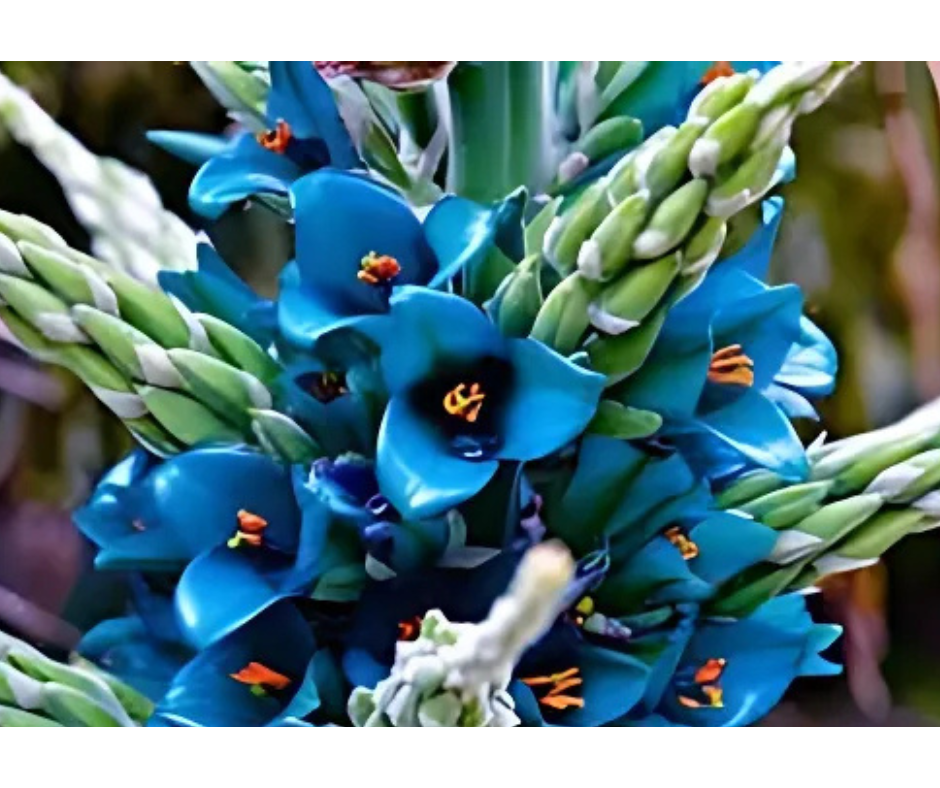
Puya Alpestris is one of the more spectacular species available in cultivation. It is a frost tolerant, heat tolerant, and drought tolerant terrestrial Central and South American bromeliad.
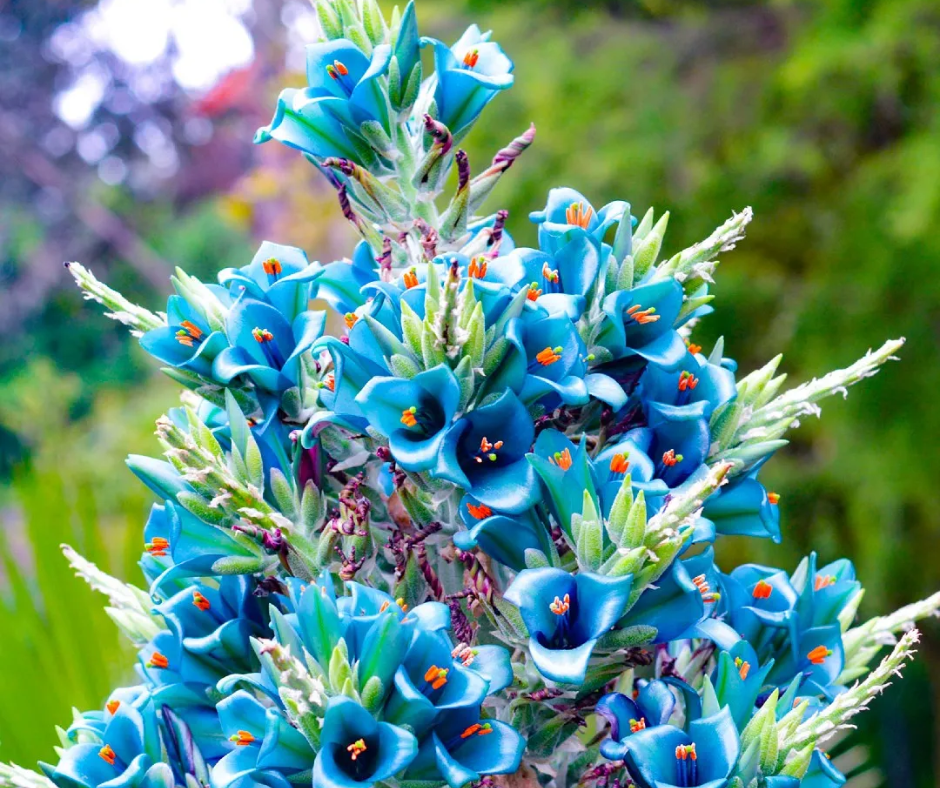
Also known as Sapphire Tower this plant produces a giant flower spike that is a brilliant turquoise blue. It is a hardy plant that takes about six to eight years to mature to its flowering size.
Leaves
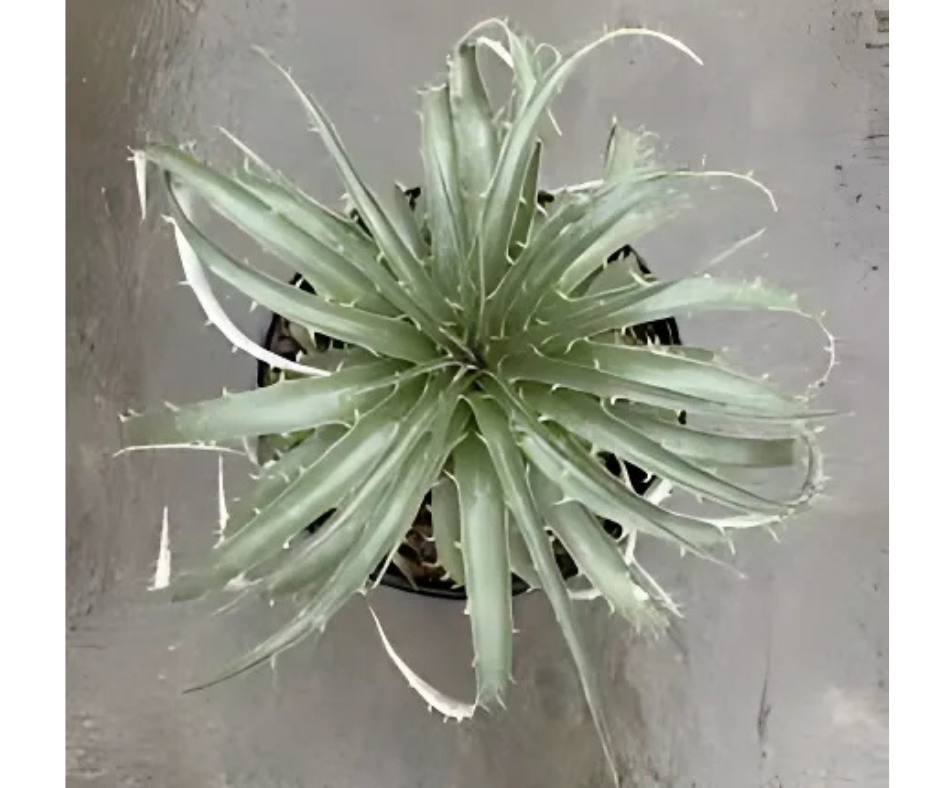
Puya Alpestris (or Sapphire Tower) is one of the most spectacular of the Puya genus. This species is native to the higher elevations of central Chile and has a sensational rosette of spiny leaves. It is the thinnest and most elegant of all the Chilean Puyas and this year it will form a spectacular flower spike filled with blue-turquoise flowers.
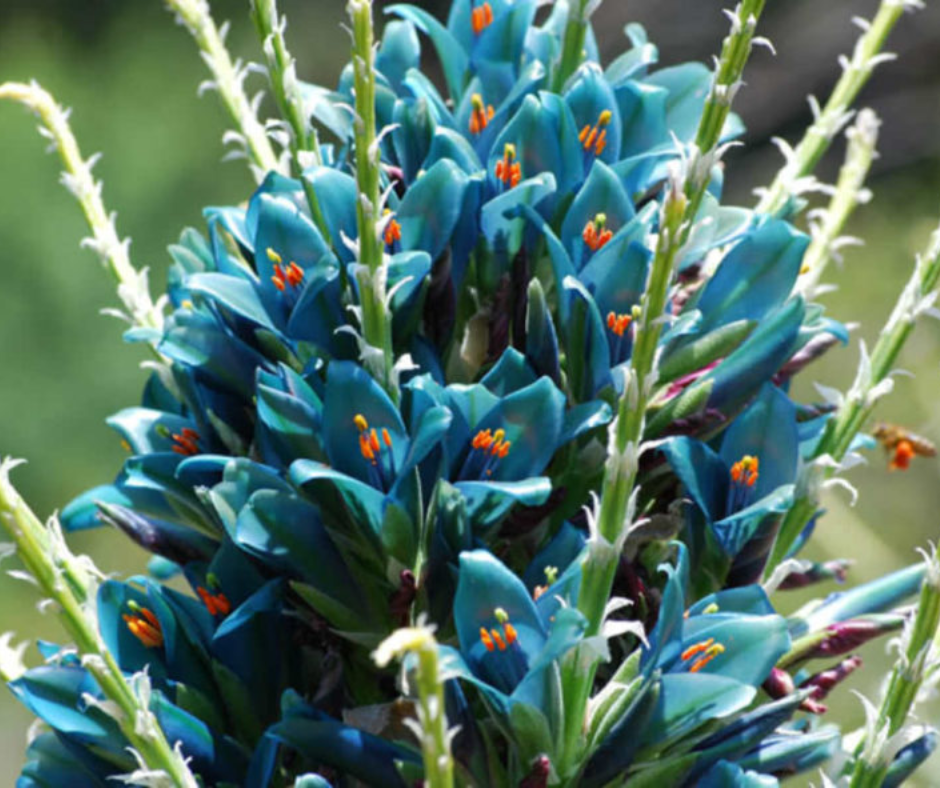
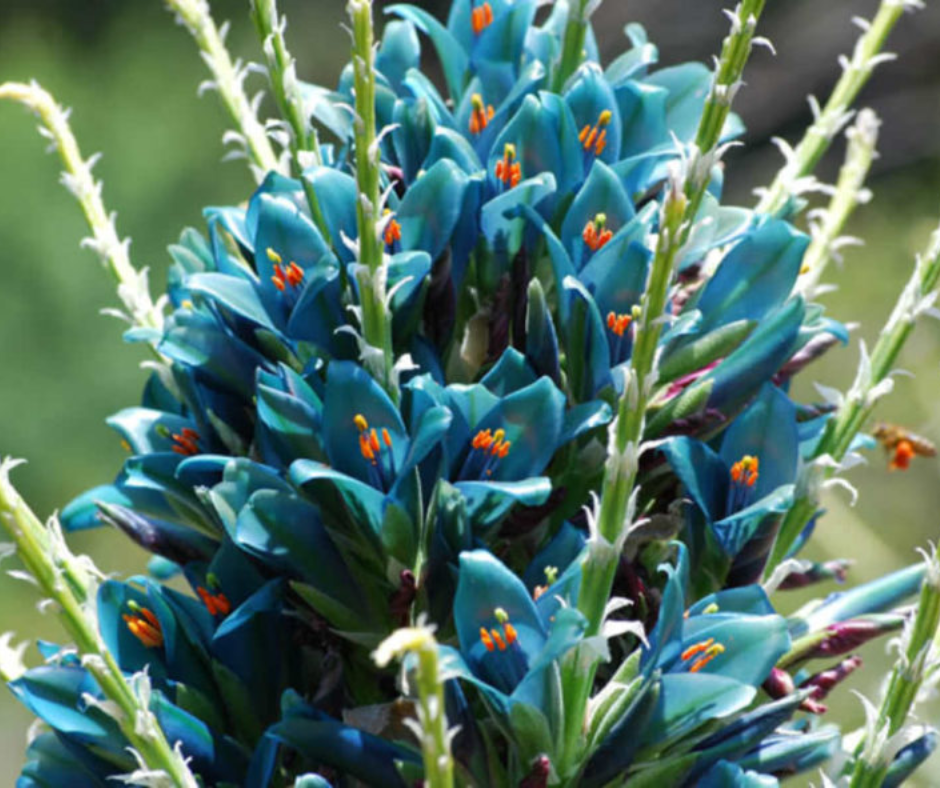
The foliage of this plant is xerophytic, meaning that it is adapted to dry conditions and is a drought tolerant perennial. It forms a dense rosette of spiny leaves with a diameter of 2-3 feet. The leaves are green above and whitish below with short, sharp spines along the margins. The flowers of Puya Alpstris are a metallic greenish blue with electric orange pollen clustered on a tall, upright stem.
Like most bromeliads, the leaves of Puya Alpstris die back after blooming and it may take a number of years before this species blooms again. However, this rosette will often form offsets that will eventually bloom as well.
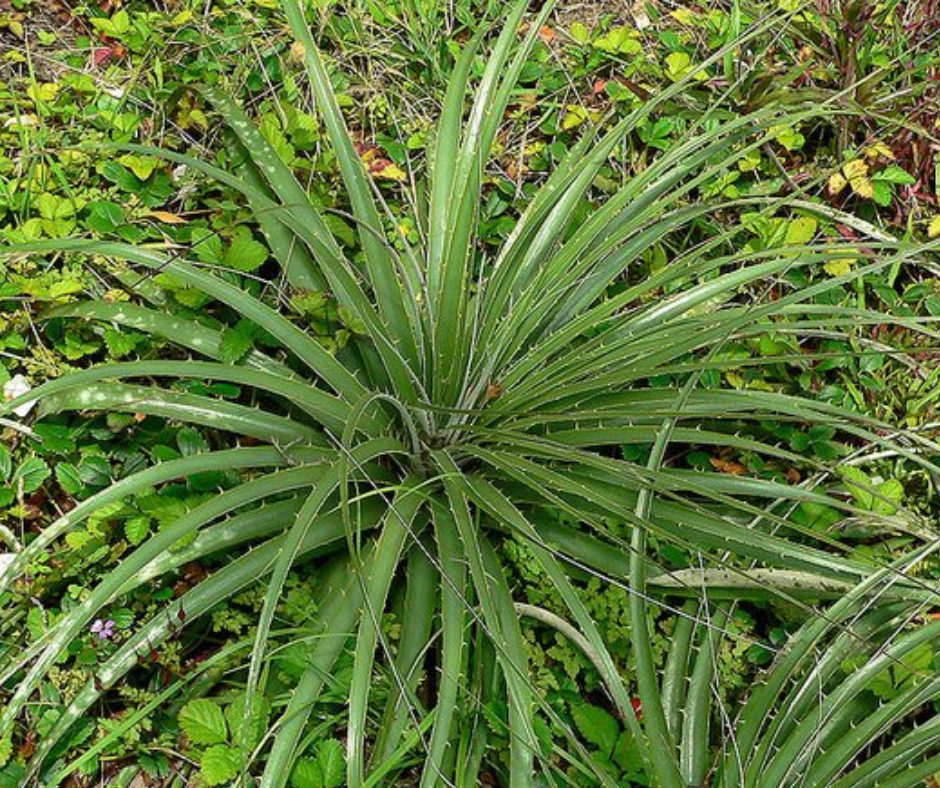
Many gardeners are attracted to Puya because of its stunning flowers. The spikes of this species can reach five to eight feet high and are quite a sight in the Garden. However, few people realize that the leaves of this plant are also quite impressive as well. The leaves of Puya Alpstris have an unusual texture and look almost like grass.
There are scores of different species of Puya in the wild but few are widely grown in gardens. They are frost tolerant, heat-loving and drought tolerant perennials from South America that love the sun. The Huntington has a wonderful collection of these fascinating plants and I encourage you to visit to see them in person if you have an opportunity. If you do have a large garden in the right climate then I highly recommend adding this unique plant to it. You won’t be disappointed.
Flowers
Puya alpestris is commonly called Sapphire Tower and it adds interest to the landscape of arid regions. It also serves as a habitat for birds and other small animals in its native range. Its brightly colored flowers are rich sources of nectar, attracting many bees to the bromeliad. The plant is not toxic to animals, but its sharp spines can cause physical injury if handled without care.
Puyas are unique amongst the bromeliads in that they grow as terrestrial plants rather than epiphytes on trees or other tall structures. This enables them to take up nutrients and water from the soil, which they store in rhizomes. They are very drought tolerant, able to survive long periods of drought that would kill other plants. However, they do require some water, particularly when newly planted. They can be irrigated by watering cans or hoses at the base of the plant, which will channel some of the water upward. This helps to prevent fungal diseases such as verticillium wilt.
In the wild, Puyas are often found in rocky outcrops and dry hills, with a high elevation of between 2200 and 3000 feet. They are the most southerly occurring members of the bromeliad family. They grow as xerophytic perennial plants with a dense rosette of spiky leaves and produce a large flower spike during their long blooming season.
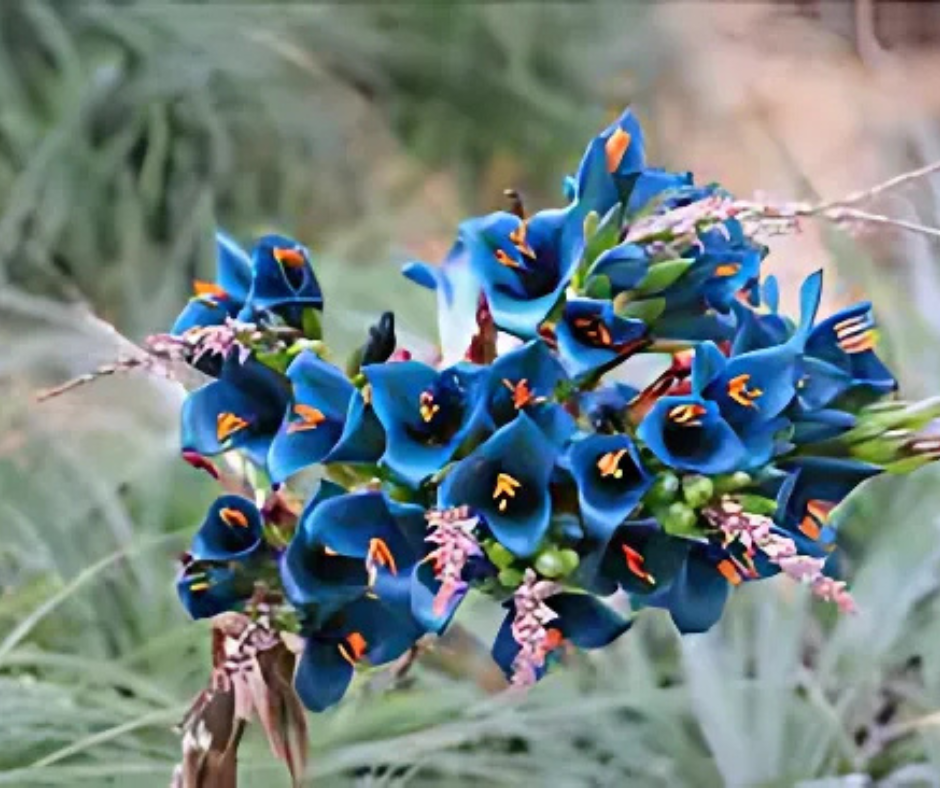
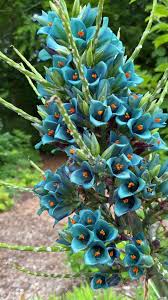
The spiky appearance of the flowers and branches has led to speculation that they are designed to serve as perches for passerine birds, which play an important role in pollination. In fact, the spiky branch ends of three species (P. chilensis, P. raimondii and P. berteroniana) are specifically used as perches by birds, who roost in the long spurs and indentations at the end of the branches.
While it may seem surprising that such a beautiful and interesting plant is endangered, the truth is that it isn’t so much the species as it is its habitat. The Atacama Desert, where this plant is found, is the driest desert in the world and the landscapes occupied by the many Puya species are frequently burned to make pasture land for livestock. While the million seeds produced by a single Puya flower spike may seem sufficient to assure the plants’ survival, the number of flowers produced each year is impacted by this environmental pressure and the slow growth of the plants.
Fruits
The tall flower spikes and otherworldly beauty of Puya alpestris captivates gardeners and makes this evergreen bromeliad a mainstay in gardens and collections. But, like many of its otherworldly relatives in the Bromeliaceae (Bromeliad) family, it is also a slow grower, often taking years or even decades to reach its full size. And once it does, it can be monocarpic, with the parent plant dying after producing its single flower and seeds. Fortunately, Puya can produce offshoots that will eventually bloom, perpetuating the species.
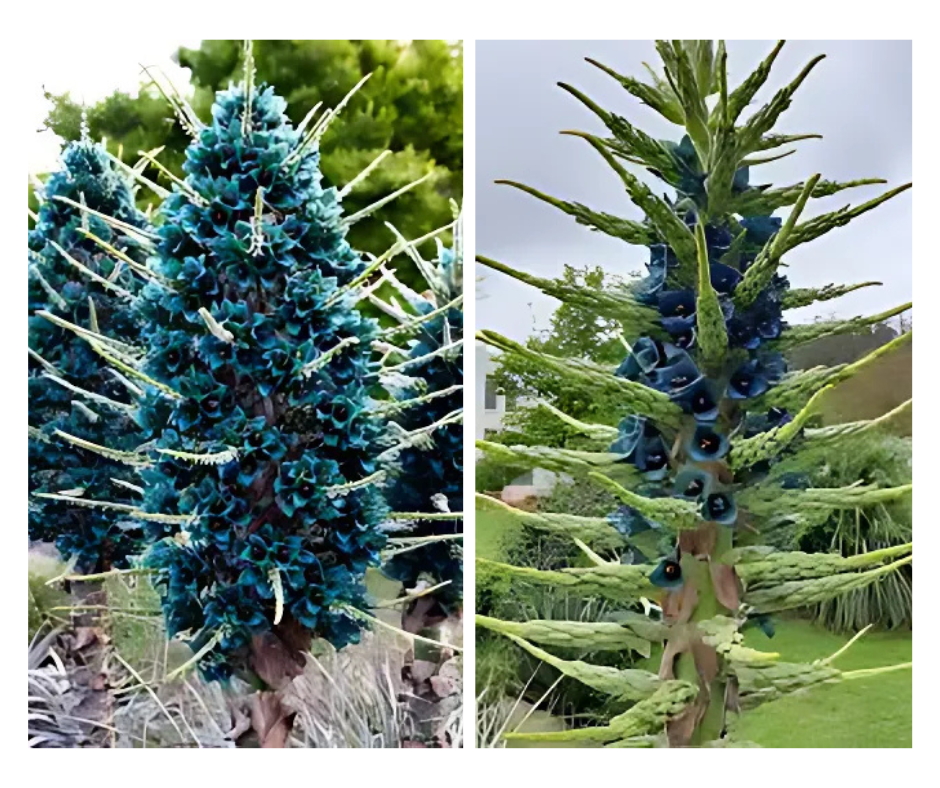
In its native habitat, the Sapphire Tower shares space in the arid coastal mountains of Chile with sclerophyllous plants (plants that have small, leathery leaves) and cacti. It is typically found on north facing slopes (recall that in the southern hemisphere north slopes are the sunny, hot sides!), at elevations of up to 6,000′.
These spiky evergreens are drought tolerant, thriving in arid climates with little to no water and able to conserve moisture through their tough, spiky leaves. They are an excellent choice for xeriscaping and low-water landscapes. They are also heat tolerant and verticillium wilt resistant. They are not considered invasive and, due to their slow growth and specific habitat requirements, do not spread aggressively outside of cultivated settings.
While you may not think of Puya as a pollinator, the flowers of this unique South american Plant are a magnet for hummingbirds, and its nectar is a sweet treat for mammals as well. Scientists aren’t sure why this particular bromeliad is so attracted to mammals but suspect it has to do with the presence of a sugar in its nectar, xylose, which is known to be produced by certain mammal gut bacteria.
Propagation
Puya Alpestris is an attractive and interesting plant that can be grown in many regions. It can be planted outdoors in arid climates or used as a houseplant. The plants are slow growing and it may take years before they produce a flower spike. It is important to provide adequate light and water for the plants and to maintain a well-draining soil. It is also essential to protect the plants from cold and wet weather, as these plants are very sensitive to temperature changes.
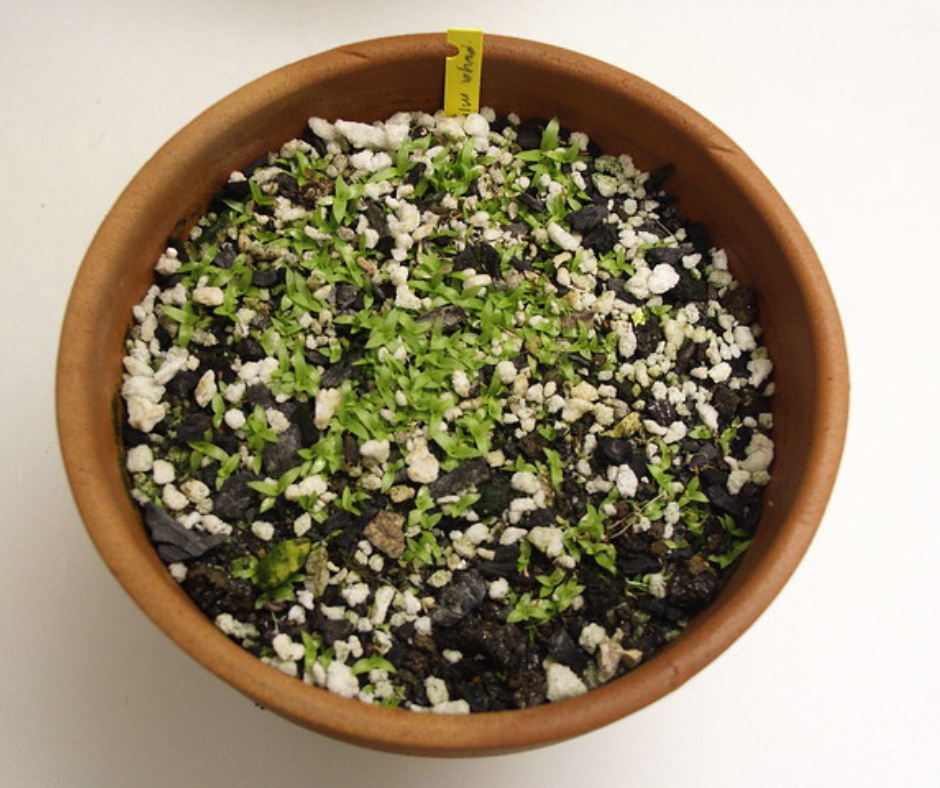
This South american Plant is a great addition to any home garden. It has silvery leaves that form a sparse rosette and the flowers are purple with orange pollen. The flowers are surrounded by spines that give the plant a spiky appearance. The flowers are pollinated by birds and the seeds will be dispersed in the prevailing wind. The plant is very hardy and is an excellent choice for arid climates. This is a plant that can be found online at a specialty nursery.
How often to water your Puya Alpestris
Puya alpestris is a drought-tolerant plant adapted to the arid conditions of the Andes, so it thrives with minimal watering.
Watering Guidelines:
- Spring & Summer (Growing Season):
Water every 10–14 days, allowing the soil to dry out completely between waterings. - Fall & Winter (Dormant Season):
Water once every 3–4 weeks, or only when the soil is completely dry.
Tips for best Results
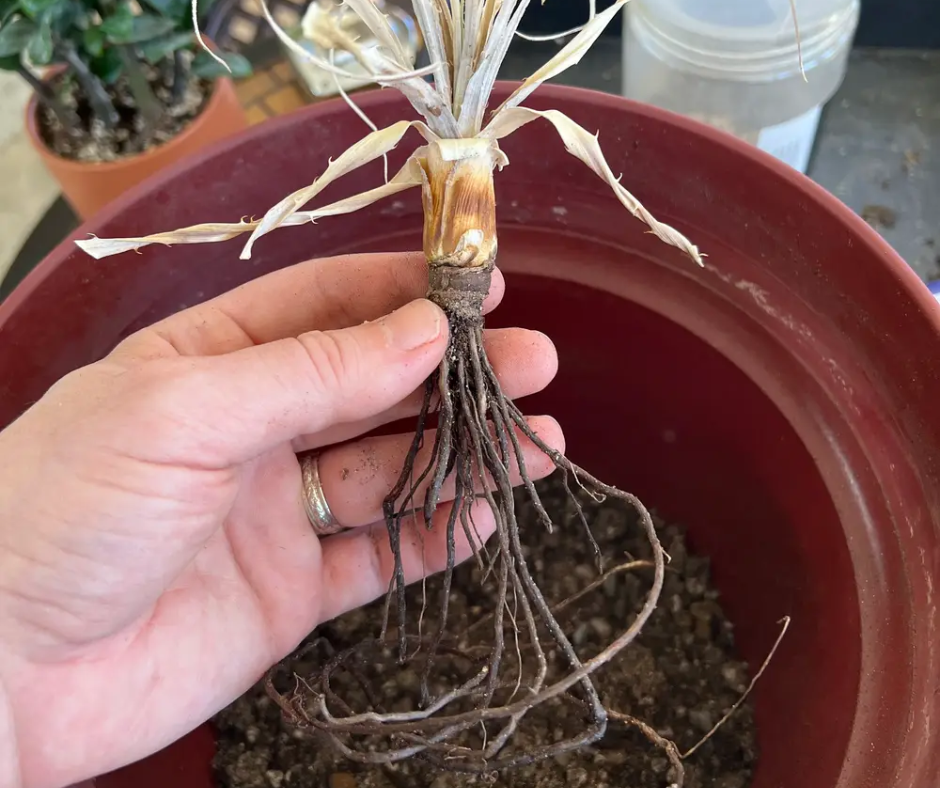
- Use well-draining soil to prevent root rot.
- Avoid watering the central rosette; always water the base of the plant.
- In humid climates or shaded areas, reduce watering frequency even further.
Conclusion
Puya alpestris, with its striking blue-green blooms and dramatic form, is more than just a plant — it’s a statement. Native to the rugged Andes, this exotic beauty is a symbol of resilience, requiring minimal care but offering maximum visual impact. Whether you’re a seasoned gardener or just starting your rare plant journey, the Sapphire Tower is a rewarding addition to any collection.
From its unique appearance to its drought-tolerant nature, Puya alpestris teaches us that even the toughest conditions can produce the most extraordinary results. With the right light, soil, and occasional watering, you’ll be well on your way to enjoying one of nature’s most captivating floral displays.
Ready to add this rare gem to your garden? Explore our recommended seed sources or care guides for more inspiration!